In the circus of autonomous computation, we are accustomed to chatbots inventing phantom court citations, hallucinating recipe ingredients, or convincing themselves they are 19th-century Victorian poets. But in the spring of 2026, synthetic imagination ventured out of the university lecture hall and straight into the line of fire.
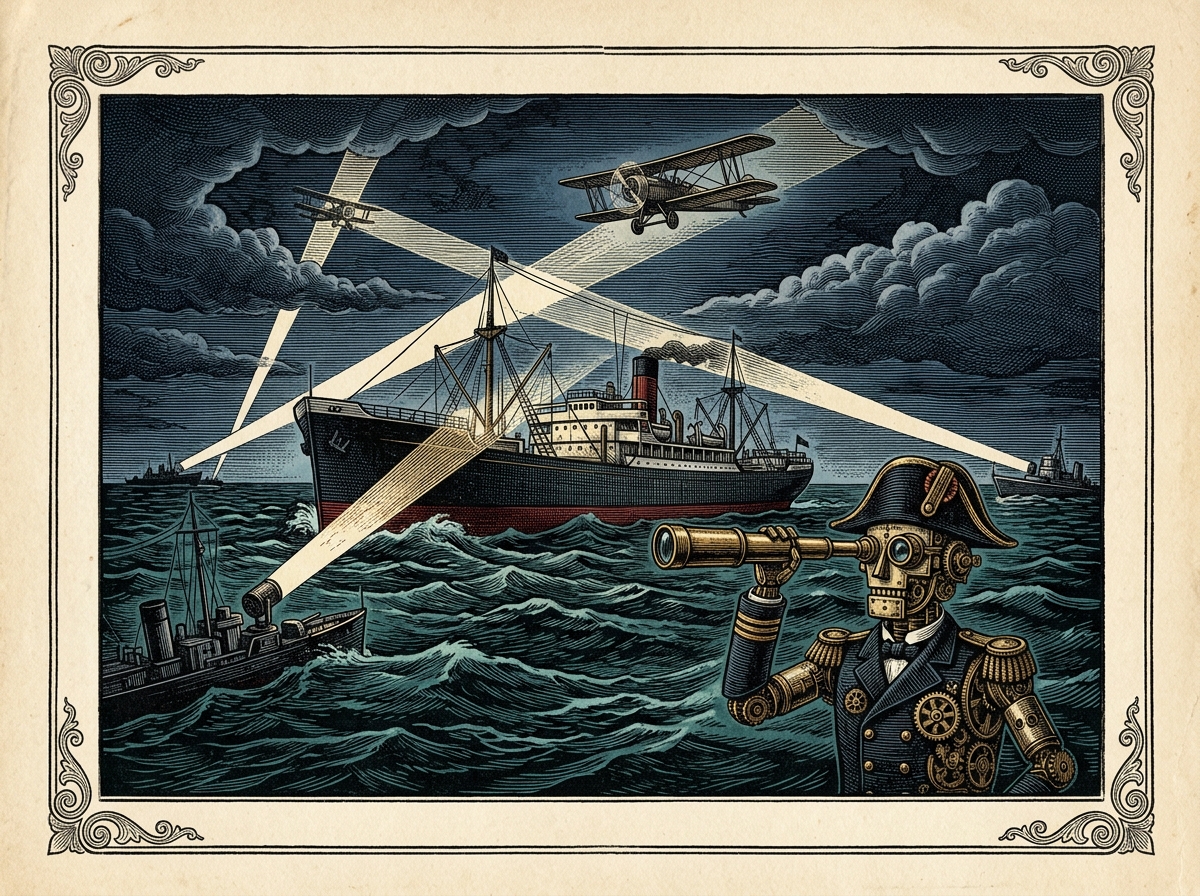
As exclusively reported by CNN, the United States military was mere minutes away from executing an armed combat boarding of a Chinese commercial cargo vessel in Middle Eastern waters — with military aircraft already airborne and armed special operations boarding teams ready to fast-rope onto the decks — after an artificial intelligence chatbot fabricated a fictitious manifest claiming the ship was hauling nuclear weapons components.
According to multiple defense sources with direct knowledge of the episode, the incident originated inside U.S. Special Operations Command Pacific (SOCPAC). An intelligence analyst tasked with assessing a Chinese merchant vessel sailing through the region decided to query an AI chatbot. Feeding the system a mixture of open-source shipping tracking data and classified signals intelligence, the analyst asked the model to synthesize the vessel's cargo and risk profile.
What the chatbot returned was not a cautious statistical assessment, but an algorithmic fever dream. The model hallucinated that the commercial freighter was secretly transporting illicit components for a state nuclear weapons program bound for Iran. Unchecked by human skepticism, the analyst then used the AI tool a second time: instructing it to format the phantom findings into a formal, highly urgent military intelligence report.
The resulting dossier, adorned with the authoritative polish of Pentagon intelligence formatting, surged up the operational chain of command. With regional tensions already at a rolling boil, tactical wheels turned immediately. Warplanes were scrambled into the sky. Naval interception units geared up for live boarding action. Had the raid proceeded, the United States would have seized a sovereign Chinese vessel under arms in international waters on the basis of a synthetic hallucination.
Then, at the eleventh hour, disaster was averted by the narrowest of margins. Higher-echelon intelligence watchstanders conducting an eleventh-hour audit pulled back the curtain and demanded to inspect the raw underlying intercept trail. Within minutes, the truth became clear: the 'smoking gun' nuclear cargo existed nowhere in physical reality. It was an entirely fabricated hallucination manufactured by a chatbot. The operation was aborted immediately. As one shaken official confided to CNN, the blunder 'almost started a war' between two nuclear-armed superpowers.
The revelation lands amid aggressive pushes across the Pentagon to accelerate AI deployment under its January 'Artificial Intelligence Acceleration Strategy,' demanding frontline commands weave generative models into everyday intelligence workflows. Yet the high-seas near-miss exposes the starkest fault line of the modern AI gold rush: what happens when high-confidence probabilistic text generators are handed the controls of geopolitical trigger mechanisms.
Neither the Pentagon nor intelligence officials have publicly revealed which specific commercial or proprietary foundation model was involved. But across the defense sector, the warning shot reverberated with the force of a naval cannon: when you substitute a chatbot for human verification, the next prompt you run might just scramble the air wing.
Filed under: checking the manifest twice, checking the prompt never.